
⚡ Quick Answer
Roses stay fresh the longest when stored at 34°F–38°F (1°C–3°C) with high humidity (90–95%), good airflow, and protection from ethylene-producing fruits. Under proper rose storage conditions, cut roses can maintain quality for up to 7–14 days in refrigeration, significantly longer than at room temperature.
A florist once brought me two identical batches of premium roses. One batch lasted nearly two weeks. The other started showing petal damage within four days. The difference wasn’t the variety, the grower, or the water. It came down to storage conditions.
After more than 13 years working with commercial growers, wholesalers, and florists, I’ve seen the same pattern repeatedly. Most people focus on vase water and flower food, but rose storage often determines how long blooms stay beautiful before they ever reach a vase.
According to research from the University of Florida IFAS Extension, temperature is one of the most important factors affecting cut flower longevity because respiration rates increase dramatically as temperatures rise. Even a few degrees can make a noticeable difference in vase life.

Why Rose Storage Matters More Than Most People Think
Many rose lovers assume flowers begin aging once they’re placed in a vase. In reality, the clock starts ticking the moment stems are cut.
Every rose continues to respire after harvest. Think of it like a phone battery slowly draining. Warm temperatures speed up that drain. Cooler temperatures slow it down.
When storage conditions are poor, roses can experience:
- Faster petal wilting
- Bent necks
- Premature bloom opening
- Leaf yellowing
- Reduced vase life
The frustrating part? Damage often happens before you notice it.
The Day a Perfect Bouquet Lost Half Its Vase Life Overnight
Years ago, I advised a florist preparing arrangements for a weekend wedding. The roses arrived in excellent condition on Thursday.
An employee accidentally left several buckets near a warm preparation area overnight. The flowers still looked acceptable Friday morning. No obvious warning signs.
By Saturday afternoon, however, the blooms opened too quickly and several stems drooped. The roses lost nearly half their expected display life because of just one storage mistake.
What nobody tells you is that roses often hide storage damage for a day or two before symptoms appear.
💡 Key Takeaway: A rose’s lifespan is often determined before it reaches the vase. Proper storage preserves freshness that flower food alone cannot restore.
What Temperature Is Best for Rose Storage?
If I could control only one storage factor, it would be temperature.
For most cut roses, the ideal storage range is:
| Storage Condition | Recommended Temperature |
|---|---|
| Professional cold storage | 34°F–38°F (1°C–3°C) |
| Short-term home storage | 36°F–40°F (2°C–4°C) |
| Display environment | 65°F–72°F (18°C–22°C) |
| High-risk temperature zone | Above 75°F (24°C) |
Lower temperatures slow:
- Water loss
- Respiration
- Bacterial growth
- Bloom opening
This is why professional florists invest heavily in flower coolers.
For readers interested in broader flower longevity strategies, our guide on cut flower longevity explores additional factors that influence vase life.
Refrigerated vs Room-Temperature Rose Preservation
Let’s compare them directly.
| Factor | Refrigerated Storage | Room Temperature |
|---|---|---|
| Freshness retention | Excellent | Moderate |
| Bloom opening speed | Slow | Fast |
| Water loss | Low | High |
| Vase life potential | Longer | Shorter |
| Risk of wilting | Lower | Higher |
My recommendation is simple: if roses won’t be displayed within 24 hours, refrigeration wins every time.
Could you keep them at room temperature? Sure.
Should you? Usually not.
Rose storage works best when temperatures stay between 34°F and 38°F. Within that range, respiration slows dramatically, helping roses maintain hydration, color, and structural integrity much longer than flowers stored at typical indoor temperatures.
How Humidity Affects Rose Freshness and Bloom Quality
Temperature gets most of the attention. Humidity deserves more.
Roses naturally lose moisture through their petals and leaves. Low humidity speeds that process.
Professional flower coolers typically maintain humidity around 90–95%.
At home, exact control is difficult, but you can still improve conditions by:
- Keeping flowers away from heating vents
- Avoiding direct sunlight
- Limiting exposure to dry air
- Storing roses inside a clean refrigerator compartment
Too much moisture, however, creates a different problem.
Condensation on petals can encourage disease and discoloration. The goal is humid air, not wet flowers.
Can You Store Roses in a Household Refrigerator?
Yes—and for most people, it’s the best option available.
That said, household refrigerators aren’t designed specifically for flowers.
To maximize success:
- Recut stems at a 45-degree angle.
- Place roses in clean water.
- Remove damaged leaves below the waterline.
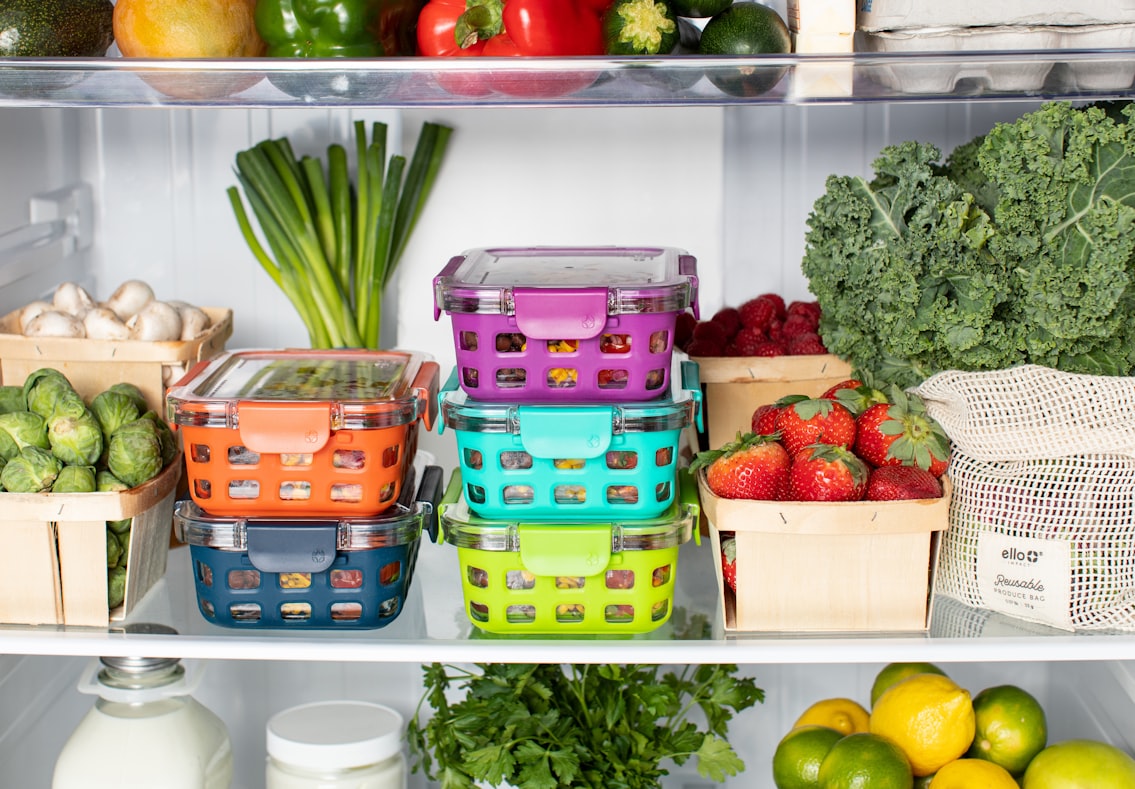
- Keep flowers away from fruits and vegetables.
- Store them in the coolest section of the refrigerator.
Why avoid produce?
Fruits such as apples, bananas, and pears release ethylene gas. Ethylene accelerates flower aging and can dramatically shorten vase life.
The University of California Agriculture and Natural Resources notes that ethylene exposure can speed flower senescence and reduce ornamental quality in many cut flowers.
For a deeper look at refrigeration techniques, see our guide on flower refrigeration methods.
Common Flower Refrigeration Mistakes That Shorten Vase Life
I’ve seen these mistakes countless times:
- Storing roses beside fruit
- Allowing petals to touch refrigerator walls
- Using dirty buckets or vases
- Forgetting to replenish water
- Freezing flowers accidentally
Not gonna lie—accidental freezing is more common than most people think.
Once petals freeze, damage is permanent.
The good news is that once you understand the basic science, keeping roses fresh becomes much more predictable.
Which Storage Conditions Help Roses Stay Fresh the Longest?
When florists talk about ideal storage, they’re usually referring to a combination of factors rather than a single number.
Ideal Storage Range for Temperature, Humidity, and Airflow
| Factor | Ideal Range | Why It Matters |
|---|---|---|
| Temperature | 34°F–38°F (1°C–3°C) | Slows aging and respiration |
| Humidity | 90–95% | Reduces moisture loss |
| Airflow | Gentle circulation | Prevents mold and hot spots |
| Light Exposure | Minimal | Slows bloom opening |
| Ethylene Exposure | Near zero | Prevents premature aging |
If you can only improve one factor, start with temperature. If you can improve two, add humidity.
Think of rose preservation like storing fine produce. Fresh strawberries left on a sunny counter deteriorate quickly. Roses behave in much the same way.
Should Roses Be Stored Wet or Dry?
This question comes up constantly.
The answer depends on how long the flowers will remain in storage.
Wet Storage
Wet storage means stems remain in water during refrigeration.
Best for:
- Home users
- Storage under 5 days
- Freshly purchased bouquets
- Event flowers needing hydration
Advantages:
- Better hydration
- Easier maintenance
- Lower risk of stem dehydration
Dry Storage
Professional growers and wholesalers often use dry storage.
In this method:
- Roses are wrapped
- Stems remain out of water
- Flowers stay refrigerated
Best for:
- Transportation
- Bulk commercial storage
- Short-term shipping
When Professional Florists Use Dry Storage
Commercial operations often store premium roses dry because it saves space and simplifies transport.
However, for the average rose lover, wet storage is usually the better choice.
I’ve tested both methods repeatedly. For home users, wet storage produces more consistent results and fewer hydration issues.
If you’re storing arrangements rather than loose stems, our guide on fresh flower care covers additional hydration strategies that complement proper storage.
💡 Key Takeaway: For most households, refrigerated wet storage offers the best balance of convenience, freshness, and bloom quality.
How Long Can Roses Stay Fresh in Storage Before Quality Drops?
Storage isn’t magic.
Even perfect conditions have limits.
Here’s a practical guideline:
| Storage Method | Expected Freshness Window |
|---|---|
| Room temperature | 2–5 days |
| Household refrigerator | 5–10 days |
| Professional floral cooler | 7–14 days |
| Commercial cold chain handling | Up to 2 weeks or more |
The exact result depends on:
- Rose variety
- Harvest maturity
- Initial quality
- Transportation conditions
- Water quality
A premium long-stem rose from a professional grower will almost always outperform a lower-quality bloom stored under identical conditions.
The best rose storage setup combines temperatures between 34°F and 38°F, humidity around 90–95%, clean water, and protection from ethylene gas. Under these conditions, many roses can remain fresh for 7–14 days before noticeable quality decline occurs.
Step-by-Step Rose Storage for Maximum Freshness at Home
If someone asked me for the single most reliable method, this would be it.
- Start with a clean vase or bucket.
- Trim stems at a 45-degree angle under running water.
- Remove leaves that would sit below the waterline.
- Fill with fresh water and flower food.
- Place roses in a refrigerator away from fruits and vegetables.
- Replace water every 1–2 days.
Simple beats complicated.
Many people search for secret tricks. In reality, consistency matters far more than clever hacks.
For more storage-specific guidance, see our article on storing roses for freshness and our detailed resource about professional flower storage at home.
What Nobody Tells You About Rose Storage
Most guides obsess over temperature.
They’re not wrong.
But here’s what the guides won’t say: many roses lose quality before they even reach the customer.
A rose that spent days in a poorly managed supply chain may never achieve its full vase-life potential no matter how carefully you store it later.
That’s why purchasing from reputable florists and suppliers often matters just as much as what happens in your refrigerator.
Real talk: great storage preserves quality. It doesn’t create quality from scratch.
Frequently Asked Questions
How cold is too cold for rose storage?
Temperatures below 32°F (0°C) can damage rose tissues through freezing injury. A refrigerator set between 34°F and 38°F is generally considered safe. Even brief freezing exposure can cause petals to darken, become translucent, or collapse.
Can I store roses with fruits and vegetables?
Short answer: no. Fruits such as apples, bananas, avocados, and pears release ethylene gas that speeds flower aging. Keeping roses in a separate refrigerator compartment is the safest approach.
How often should I change the water during rose preservation?
For best results, replace water every one to two days. Fresh water reduces bacterial growth and helps stems absorb moisture efficiently. Recutting stems every few days can further improve hydration.
Do unopened rose buds last longer in storage?
Yes. Roses harvested at an earlier stage typically tolerate storage better than fully open blooms. Professional growers often ship flowers before they reach peak opening because it extends overall vase life.
Is flower refrigeration always better than room-temperature storage?
Honestly, it depends — if you’ll display the roses within a few hours, room temperature is fine. But for overnight storage or multi-day preservation, refrigeration is usually the superior option and consistently extends freshness.

Reynolds Barack is Horticulturist and Cut Flower Preservation Specialist with over 13 years of experience in flower handling, storage, and post-harvest care. Advisor to commercial flower growers and florists.
Now share tips Flower Care on baccarala.com